Traditional Knowledge Circle

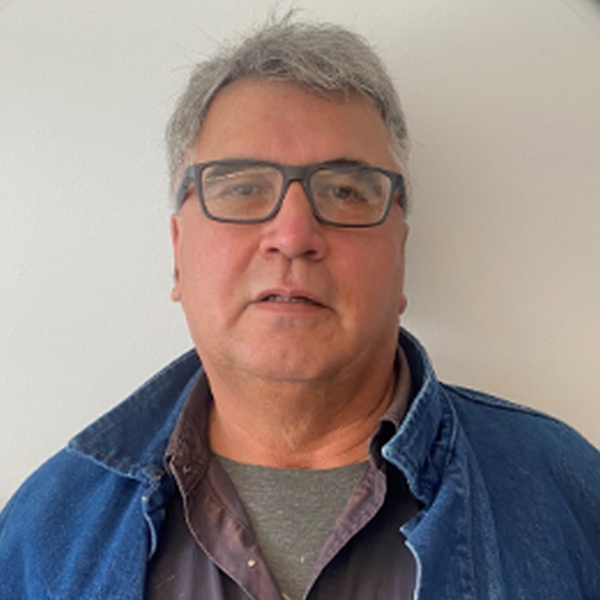
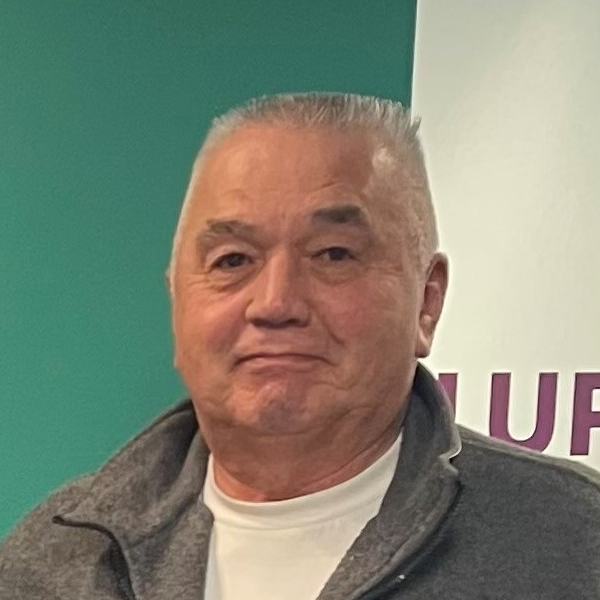
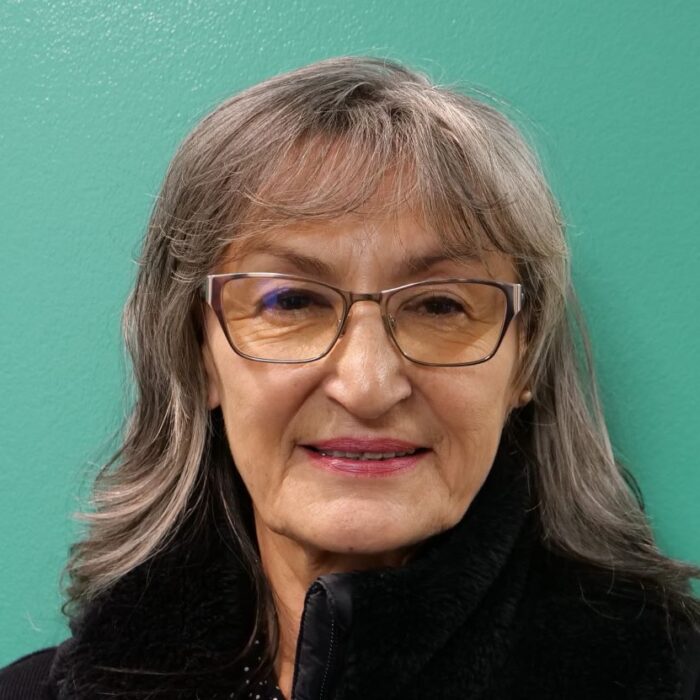
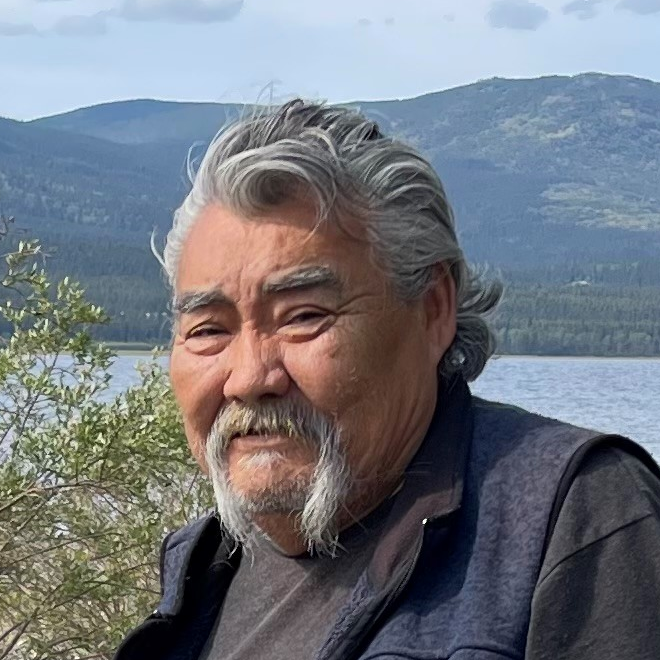
We are a group of respected Yukon First Nation elders who provide advice to the Yukon Land Use Planning Council on land and water relationship planning in the Yukon.

The Story of Our Logo

Our visual identity is rich with symbolism, featuring the Fireweed, the Wolf and Crow clans, and the cycles of nature.

We consider the significance of Indigenous peoples’ knowledge of the management, the stewardship and sustainable use of the land and its resources.

We work to contribute and support the integration of land management effectively, by advocating for the meaningful inclusion of Indigenous Traditional Knowledge ways of knowing, that is based upon Indigenous stewardship and relationship with the land and their physical interactions with their physical environment.

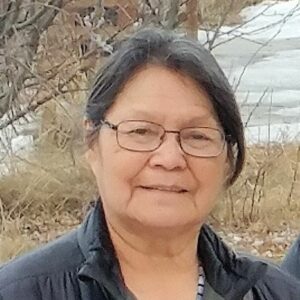
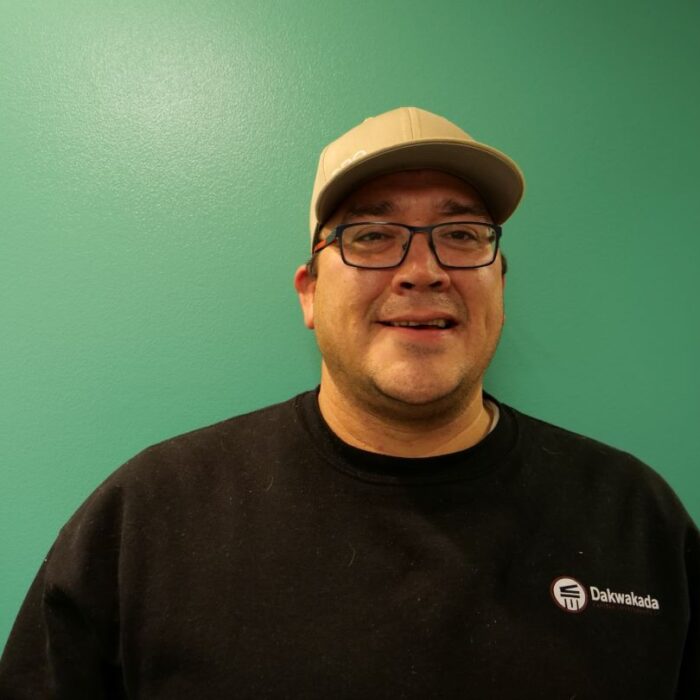
Shirlee Frost

I was raised in the time of no pollution, we drank from the rivers and streams, gathered and harvested with the seasons. We ate traditional foods that nourished our bodies, and we lived in harmony with Mother Nature and the bounties she provided. We were taught the Original Laws- to care for the land, water, animals, birds, fish and plants as thought they were family. The wisdom of the Land speaks to us. That's why Chapter 11 is pivotal to help bring balance and wise decisions caring our Homelands.

Shirlee Frost
Circle Member - Gwich'in

North Yukon and
Peel Watershed Processes

Much effort was put into hearing and documenting traditional knowledge in both the North Yukon and Peel Watershed processes. While this knowledge helped guide the development of these plans, it was not readily apparent in them.

2004 – 2011

Indigenous Planning and Traditional Knowledge Advisory Group formed

Council established the Indigenous Planning and Traditional Knowledge Advisory Group to begin work of exploring the shift towards land relationship planning.

2020

Advancing Land Use Planning
in the Yukon Workshop Series

A series of workshops organized by the Council with support of CYFN and Yukon Government. It was well attended by a diverse group of people including representatives from Yukon First Nations, Yukon government, past planning Commission staff and the Council.

Winter 2020-21

Review of Traditional Knowledge
in Regional Planning

The Council contracted Planner Gillian McKee to do a literary review of the use of traditional knowledge in northern regional land use plans.

January 2021

Land Relationship Gathering (virtual)

The Indigenous Planning and Traditional Knowledge advisory group coordinated and led a Land Relationship Gathering. The outcomes include a set of themes and actions for consideration in regional planning.

November 2021

Dawson Recommended Regional Plan

Building on the previous planning processes, the Dawson Regional Planning Commission incorporated traditional knowledge throughout the plan. This is reflected in the plan’s vision statement, “Nän käk ndä tr’ädäl” (On the land we walk together), the Tr’ondëk Hwëch’in Land Vision (Tr’ëhudè), and the concept of ancestral stewardship.

June 2022

Formal Recommendation

The Council made a number of formal Recommendations including the embrace of Indigenous Planning approaches.

August 2022

Land Relationship Workshop

Over two days, Council and staff listened to elders from around Yukon to help better understand how knowledge and experience of Yukon First Nations People can achieve effective land use Planning .

September 2022

Traditional Knowledge Circle established

The Indigenous Planning and Traditional Knowledge group redefined themselves as the Traditional Knowledge Circle.


June 2023

Land Relationship Gathering

This on-the-land event at Brooks Brook was attended by Elders from across the Yukon, First Nations lands & resources Staff, Council of Yukon First Nations staff, and UFA boards and committees. This Gathering helped the Circle and YLUPC identify ways to embrace Traditional Knowledge and Traditional Ways in our work.

August 2023

Lands Relationship Gathering 2024

We are working towards a on-the-land gathering on the Traditional Territory of the First Nation of Na-Cho Nyäk Dun. The tentative date for this event is July 23-25. The theme for discussion is “Empowering Relationships”. This event will be by invitation only.


July 2024

A video produced for the 2021 Land Relationship Gathering.

We respect and promote Yukon Final Agreements, especially the following provisions:

11.1.1.4 Objective: “to utilize the knowledge and experience of Yukon Indian People in order to achieve effective land use planning.”

11.4.5.5 Commissions “shall use the knowledge and traditional experience of Yukon Indian People, and the knowledge and experience of other residents of the planning region.”

11.4.5.6 Commissions “shall take into account oral forms of communication and traditional land management practices of Yukon Indian People.”

11.4.5.7 Commissions “shall promote the well-being of Yukon Indian People, other residents of the planning region, the communities, and the Yukon as a whole, while having regard to the interests of other Canadians.”

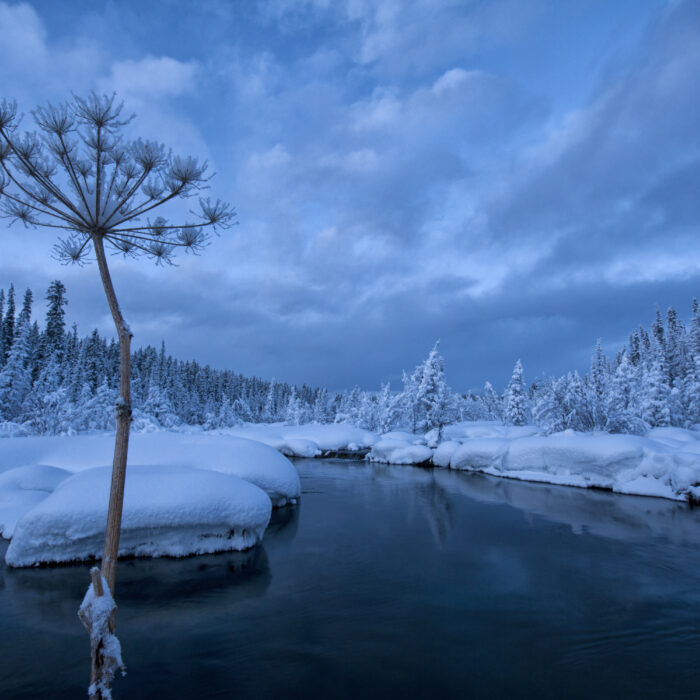
Photo: Peter Mather

Our Logo

  • Every element in the design carries meaning:

    Sage background – represents the wisdom of the Elders.

    Tree of Life – a symbol of growth and interconnectedness.

    Wolf and Crow – represents the two clans. Wolf represents the land and crow the air.

    Crescent Moon – signifies nature’s seasonal cycles.

    Fireweed – Yukon’s official flower, symbolizing earth, medicine, and the Circle’s connection to YLUPC, as YLUPC’s logo features the same graphic representation of fireweed.

    Water – ties the land and air together. Water is life.

Guiding Principles

Based on the work so far, a number of guiding principles are proposed:

  • Respect the UFA: Respect and promote the evolution and implementation of Chapter 11 provisions of the Yukon Final Agreements.
  • Collaborate with planning partners. Foster and build relationships in planning regions. Support reconciliation through collaboration with First Nation governments.
  • Build consensus around Traditional principles amongst First Nations, partners and technical working staff.
  • Indigenous Planning Approach: Promote and support the integration of indigenous planning approaches and concepts, especially planning to respect the land, water and all living things.
  • Protection: Participate and provide advice to all matters relevant to land and resource protection, including Indigenous land management and cultural heritage practices.
  • Local Context: Provide advice on matters that affect Yukon First Nation peoples in their backyard, their traditional lands, their traditional territory.
  • Best Practices: Provide advice on best practices for participation of Yukon First Nations peoples.
  • Youth: Promote youth participation and their value to future generations.
  • Assist with Commission consultation processes to seek Indigenous holistic world views.
  • Respect other FN bodies: If there is an existing Elders Committee or Senate in place, the Circle will not provide advice unless invited to take part.
  • Seek opportunities: Look for alternative ways to support Yukon First Nations to implement their vision, strategic plans, and issues and interest that reflect their needs in the planning process.
  •  

Priorities

  • Clarify the Circle’s Role: Commissions are independent bodies that develop the regional land use plan. The Circle can support the planning process by making recommendations to the Council regarding ways of adopting Traditional Knowledge and Ways at many points in the planning process. The Circle can collaborate with the First Nation and its Elders Council to discuss opportunities for providing input and advise to the Commission.
  • Embrace Traditional Knowledge: Traditional Knowledge is embraced as containing ethics, laws, teachings, and knowledge and understanding that we are the “voice” for those who cannot speak for themselves. We are like family and are stewards of this land. Ensure Traditional Knowledge gets the same respect and value as scientific knowledge.
  • Seek Partnerships: The Circle must strengthen and enhance its relationships, networks and partnerships (i.e. All 14 Yukon First Nations, YESAB, YFWMB, Renewable Resource Councils, etc.).
  • Include Youth and Elders: We must have Youth with Elders involved with the process of embracing Traditional Knowledge and Ways into planning processes.
  • Share Wisdom and Knowledge: The Indigenous Ways of Knowing, Being and Doing is holistic, respectful and highly valued. Continue to provide advice to YLUPC for decision making consideration. Also, provide Traditional Knowledge teachings and aspects to Federal and Yukon government.
  • Education of Chapter 11 and its relationship to all other UFA Chapters for all Yukoners. Examples could include: newsletters, attending General Assemblies, Yukon University curriculum, radio, social media.